Reducing hallucinations in aviation AI.
Why a fluent answer is not enough, and how we think about uncertainty in aviation language models.
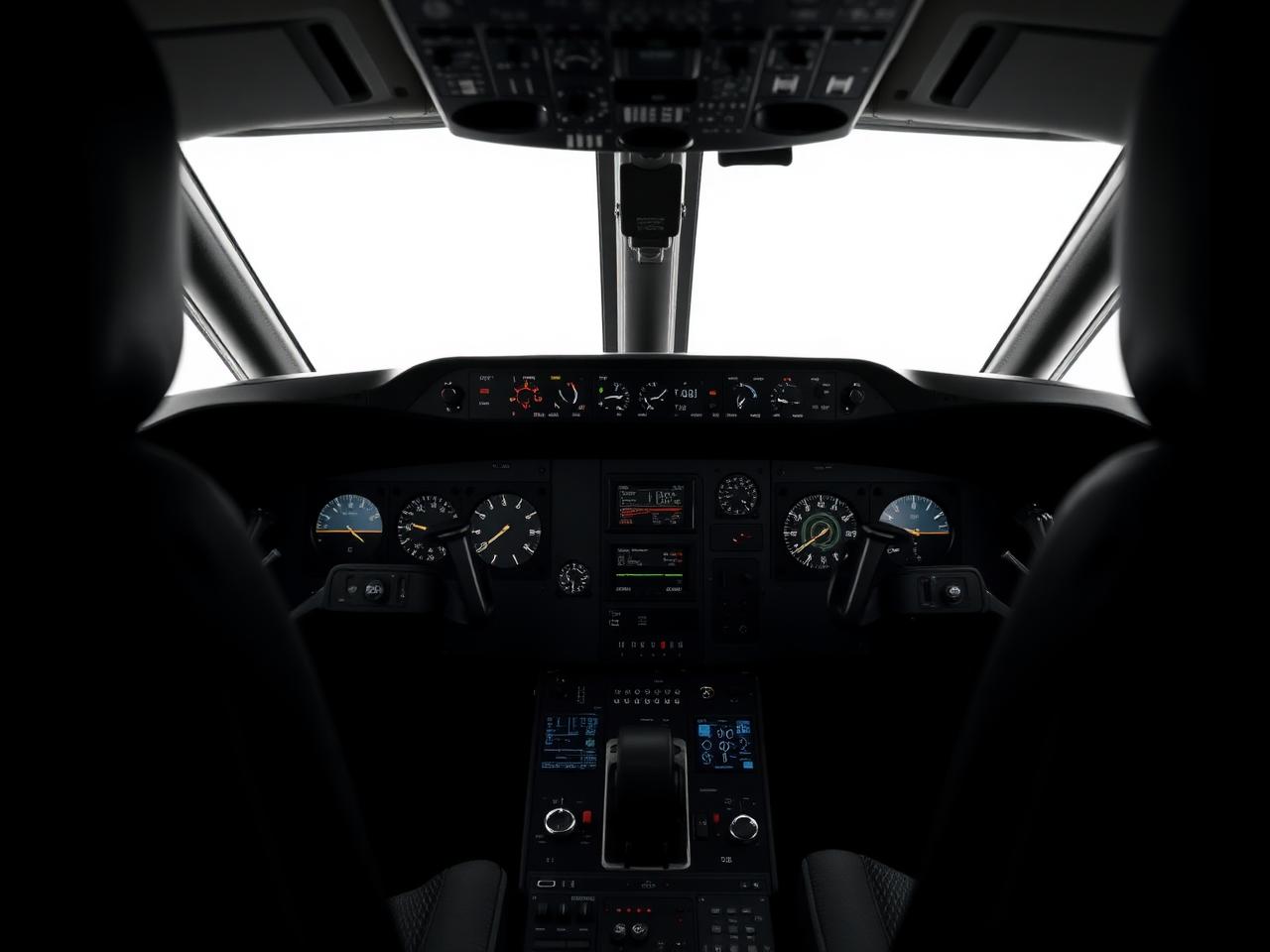
A language model can produce an answer that sounds authoritative while getting a critical detail wrong. In aviation, that gap between confidence and correctness deserves special scrutiny. The first step is to treat uncertainty as something to measure, rather than something to hide behind a polished response.
Consider a question about a flight procedure. A useful answer should distinguish the general concept from the facts that depend on an aircraft, airport, date, or current publication. A model that cannot verify those particulars should say what it does not know. It should not fill missing information with a plausible runway, frequency, or limitation.
One way to reduce invented answers is to give a model access to relevant, current source material and ask it to ground its response in that material. But retrieval alone is not a guarantee: the model still needs to identify which source applies, avoid stretching a passage beyond what it says, and recognize conflicting evidence.
Evaluation matters just as much as training. We look for cases where an answer is wrong but sounds right, especially when the prompt encourages a quick or overly certain response. Testing those failure modes helps make model behavior more legible. No AI response should be treated as an operational source of truth in place of approved aviation documentation or human judgment.